Understanding Sleep Apnea
Learn about obstructive sleep apnea, recognize the warning signs, and discover how CPAP therapy can transform your health and quality of life.
What is Sleep Apnea?
A serious sleep disorder affecting millions of Canadians
Sleep apnea is a sleep-related breathing disorder where breathing repeatedly stops and starts during sleep. The word "apnea" means "no breathing," and these pauses can last 10 to 30 seconds.
These apnea events can occur many times throughout the night until the brain responds to overcome the problem. With each episode, blood oxygen levels are reduced (hypoxia), and sleep is interrupted as you must wake up briefly to resume breathing.
However, you don't always become fully awake and usually have no memory of these awakenings. This cycle repeats throughout the night, preventing the normal sleeping pattern needed to feel rested and refreshed in the morning.
Normal Breathing
During sleep, air can travel freely to and from your lungs through open airways, allowing for restful, uninterrupted sleep.
Obstructive Sleep Apnea
Your airway collapses during sleep, stopping air from traveling to and from your lungs. This disrupts sleep and reduces oxygen levels in your blood.
Obstructive Sleep Apnea (OSA)
The most common type of sleep apnea is Obstructive Sleep Apnea (OSA), which occurs when the upper airway becomes blocked during sleep due to the relaxation of soft tissue in the back of the throat.
This prevents air from traveling freely to and from the lungs, causing breathing interruptions and sleep disruptions throughout the night. Central apnea and mixed apnea are other types but are much rarer.
Sleep Apnea Symptoms
Recognizing the warning signs of sleep apnea is the first step toward treatment
Daytime Symptoms
- Early Morning HeadachesFrequent headaches upon waking
- Excessive Daytime SleepinessFeeling tired throughout the day despite sleeping
- IrritabilityMood changes and increased irritability
- Falling Asleep During ActivitiesDifficulty staying awake while driving or working
- Poor ConcentrationDifficulty focusing and memory problems
Nighttime Symptoms
- Loud Persistent SnoringSnoring that disrupts your or your partner's sleep
- Restless SleepTossing and turning throughout the night
- Witnessed Pauses in BreathingPartner observes you stop breathing during sleep
- Choking or Gasping for AirWaking up gasping or feeling like you're choking
- Frequent Wake-upsMultiple bathroom trips or unexplained awakenings
Experiencing Multiple Symptoms?
If you recognize several of these symptoms, it's time to speak with your doctor about a sleep study. Early diagnosis and treatment can prevent serious health complications.
Health Risks of Untreated Sleep Apnea
Sleep apnea is more than just snoring—it can lead to serious health complications
Heart Attack
Risk of heart attack increases by 2.5 times
Stroke
Risk of stroke increases by 1.8 times
High Blood Pressure
Risk of hypertension increases by 2.2 times
Depression
Risk of depression increases by 2.2 times
Other Complications of Untreated Sleep Apnea
Medical Complications:
- •Type 2 diabetes and insulin resistance
- •Metabolic syndrome and obesity
- •Liver problems and fatty liver disease
- •Complications with medications and surgery
Daily Life Impact:
- •Increased risk of traffic accidents due to fatigue
- •Workplace accidents and decreased productivity
- •Relationship problems and mood disorders
- •Reduced quality of life and daily functioning
Early Diagnosis Can Save Your Life
If you're experiencing symptoms of sleep apnea, don't wait. Early diagnosis and treatment can significantly reduce your risk of these serious health complications. Speak with your doctor about getting a sleep study.
How is Sleep Apnea Diagnosed?
Getting diagnosed starts with recognizing symptoms and consulting your doctor
1. Self-Assessment
Complete the screening questionnaire below
2. Doctor Visit
Discuss symptoms with your family doctor
3. Sleep Study
Get referred for a sleep study (PSG)
4. Diagnosis
Receive results and treatment plan
What is a Sleep Study (Polysomnography)?
A sleep study, also known as polysomnography (PSG), is the gold standard for diagnosing sleep apnea. Sleep studies are conducted in sleep labs or sleep centers.
What Gets Measured:
- ✓Breathing patterns and interruptions
- ✓Snoring intensity and frequency
- ✓Heart rate and rhythm
- ✓Brain waves and sleep stages
- ✓Blood oxygen levels
- ✓Body movement and position
Important to Know:
Completion of a sleep study is required for CPAP coverage through government funding by the Assistive Devices Program (ADP/OHIP).
Your doctor can refer you for a sleep study if they determine you're at risk for sleep apnea based on your symptoms and screening results.
Obstructive Sleep Apnea Screening Questionnaire
Answer these questions to assess your risk. If you answer "yes" to three or more, discuss your symptoms with your doctor.
*Source: Toronto Western Hospital, University Health Network - University of Toronto
Do you snore?
Are you tired, fatigued, or sleepy during the day?
Has anyone observed you stop breathing or choking during sleep?
Do you have high blood pressure?
Have you had a stroke or heart attack in the past?
Are you overweight or obese?
Do you take anti-depressant medication?
Do you have poor concentration or short-term memory?
Is your neck size greater than 17 inches (male) or 16 inches (female)?
What to Do Next:
If you answered "yes" to three or more questions, schedule an appointment with your family doctor to discuss your symptoms. They can assess your risk and refer you for a sleep study if needed.
Sleep Apnea Treatment Options
CPAP therapy is the gold standard treatment for obstructive sleep apnea
What is CPAP Therapy?
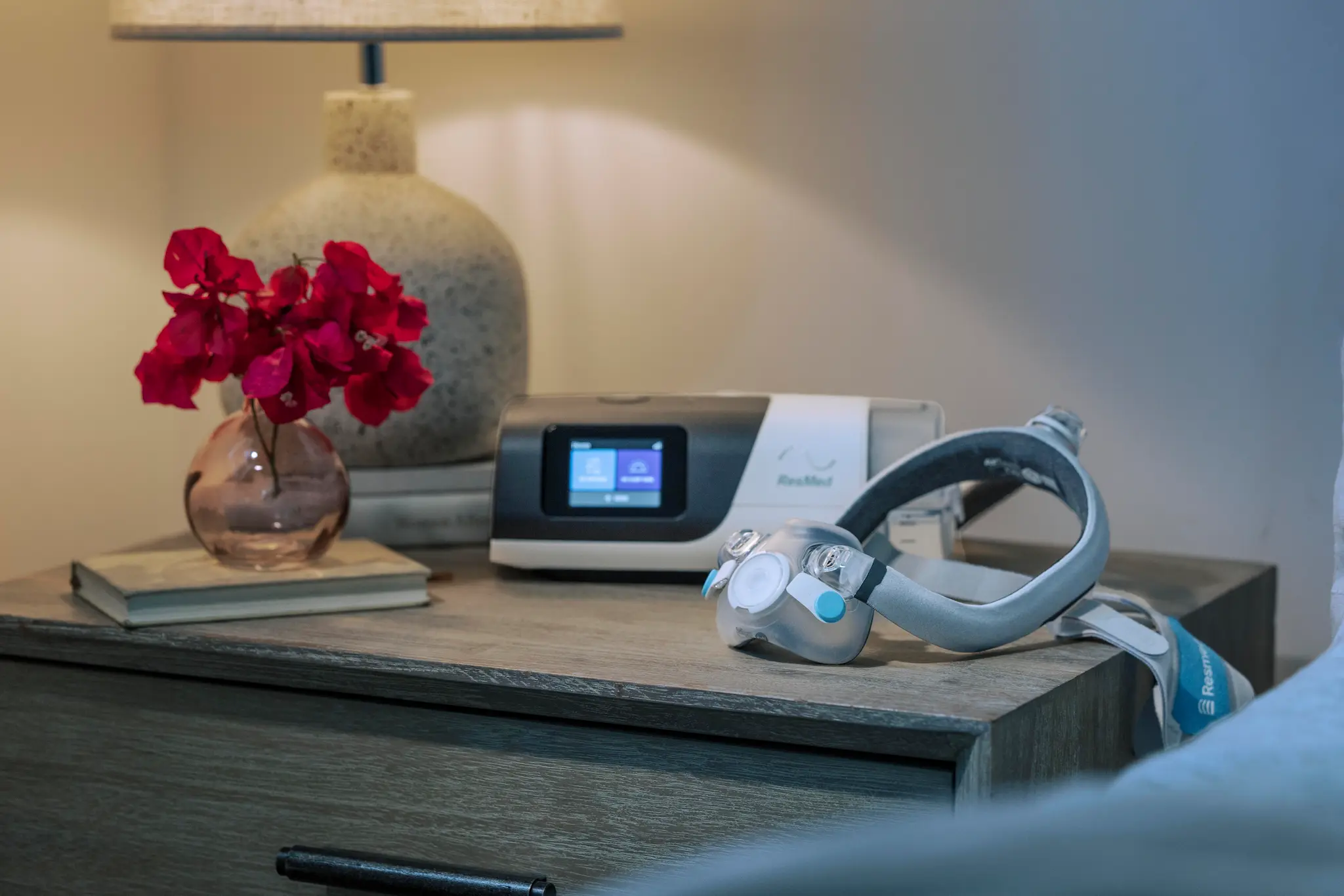
CPAP (Continuous Positive Airway Pressure) is the first-line treatment for obstructive sleep apnea. CPAP therapy uses a machine that delivers a soft, steady flow of pressurized air through a mask.
This gentle airflow helps keep your airways open during sleep, preventing them from collapsing and ensuring uninterrupted breathing throughout the night.
How It Works:
- Delivers continuous positive air pressure
- Keeps airways open while you sleep
- Prevents breathing interruptions
- Maintains healthy oxygen levels
Life-Changing Benefits of CPAP Therapy
With CPAP therapy, you get your life back with renewed health and energy
No more interrupted sleep
Waking up feeling refreshed
Better concentration and memory at work or school
More energy during the day and better weight control
Reduced risk of heart attack and stroke
Better control of diabetes, blood pressure, and depression
Improved overall quality of life
Getting Started with CPAP Therapy
1. Get a Prescription
After your sleep study confirms sleep apnea, your doctor will prescribe CPAP therapy with the appropriate pressure settings for your needs.
2. Professional Fitting & Setup
We provide expert mask fitting, equipment setup, and comprehensive training to ensure your comfort and therapy success. Try multiple mask styles to find your perfect fit.
3. Ongoing Support
Our team provides follow-up appointments at 1 week, 1 month, 3 months, and every 6 months for life. We're here to help with adjustments, troubleshooting, and ensuring your long-term success with CPAP therapy.
Insurance & Funding:
Most insurance plans cover CPAP therapy. We also assist with ADP/OHIP government funding applications to make treatment accessible and affordable.
Frequently Asked Questions About Sleep Apnea
Common questions about sleep apnea, diagnosis, and treatment
Questions About Sleep Apnea?
Our team is here to help you understand your symptoms and treatment options. Give us a call to discuss your sleep health.